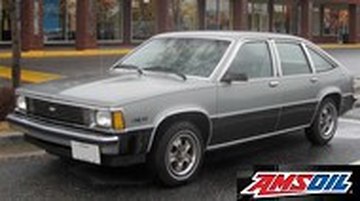
Lubrication Maintenance for the 1981 Chevrolet CITATION 2.8L
Maintaining the engine lubrication system in a vehicle like the 1981 Chevrolet CITATION with a 2.8L engine requires consistent attention to fluid condition and component integrity. Proper lubrication is fundamental to managing the internal environment of the engine, ensuring that moving parts operate with minimal friction and that heat is effectively managed during operation.
Monitoring Fluid Condition and Potential Leaks
One of the most effective ways to monitor the health of the 2.8L engine is through regular visual inspections of the lubrication system. Owners should look for any signs of fluid seepage or active leaks around the engine block and associated sealing surfaces. Even small amounts of oil appearing on the exterior of the engine can be an early indicator that a gasket or seal may be losing its effectiveness due to age or thermal cycling.
When performing these inspections, it is helpful to check for:
- Evidence of fluid weeping around various engine junctions.
- Accumulations of grime or dirt that often cling to areas where oil has seeped out.
- The presence of any unusual odors that might suggest oil is contacting warmer engine components.
If you notice a change in the appearance of the oil—such as an unusual color, a cloudy texture, or a significant increase in thickness—it warrants investigation. Changes in lubricant consistency can be associated with various factors, including contamination or extreme thermal stress, and should not be ignored.
Observing Potential Engine Warning Signs
While many lubrication issues are visible through external inspection, some may manifest as operational symptoms. It is important to understand that a single symptom can have multiple underlying causes, so any unusual observation should be treated as a prompt for further professional diagnosis rather than an immediate conclusion of a specific part failure.
For example, if you notice an increase in the amount of oil required to maintain proper levels between service intervals, this may indicate that the engine is consuming lubricant. Similarly, any unexpected mechanical noises that coincide with engine operation should be investigated promptly. If a warning light or indicator related to the lubrication system illuminates on the dashboard, it requires immediate attention to prevent potential damage.
Additionally, monitoring the exhaust can provide clues. While certain types of smoke may be associated with various internal engine conditions, any sudden change in exhaust color or consistency should be noted and discussed with a technician during your next service appointment.
Prioritizing Long-Term Engine Care
As vehicles age, maintenance priorities often shift from purely preventive measures to condition-based monitoring. For an owner of a 1981 Chevrolet CITATION, establishing a clear understanding of the vehicle's current mechanical state is essential for making informed service decisions.
If you do not have access to a complete history of previous repairs and fluid changes, your first priority should be to establish a maintenance baseline. This involves performing a thorough inspection of all accessible components and documenting the current condition of all fluids. Once this baseline is set, you can more easily identify when a component is actually changing or when a service is truly necessary.
Effective long-term ownership involves distinguishing between routine preventive maintenance and the need for specific repairs. Rather than replacing parts based solely on the age of the vehicle, focus on addressing active leaks, responding to observed warning signs, and monitoring how the engine responds to different operating conditions. Keeping a detailed log of every oil change, filter replacement, and observed fluid level can be an invaluable tool in managing the longevity of the 2.8L engine.
Inspecting Aging Components and Seals
Over time, the materials used in gaskets, seals, and various hoses can undergo changes due to heat and environmental exposure. For a vehicle from the early 1980s, it is practical to periodically inspect these age-sensitive items. While many components may remain functional for years, a proactive approach involves looking for signs of deterioration such as cracking, hardening, or swelling.
When inspecting the engine bay, pay close attention to any visible hoses or electrical connections. If equipped, accessible drive belts should also be checked for signs of glazing, fraying, or surface cracks. Ensuring that these components are in good condition helps prevent secondary issues that could eventually impact the engine's ability to operate efficiently.
Furthermore, checking the condition of the crankcase ventilation system, if present, is a useful part of a comprehensive inspection. A properly functioning ventilation system helps manage internal pressures and prevents the buildup of contaminants within the lubrication system.
Effective Maintenance Record Keeping
One of the most overlooked aspects of vehicle maintenance is the systematic recording of service history. For the 1981 Chevrolet CITATION, maintaining a dedicated folder or digital log for all engine-related services provides several advantages. It allows you to track how often the oil is being changed and helps identify patterns in lubricant consumption or component wear.
A good maintenance record should include:
- The date of each service.
- The specific products used, including the type of oil and filter part numbers.
- Any observations made during inspections (e.g., "slight seepage noted at the rear").
- Total mileage at the time of service.
Having this information readily available makes it much easier to communicate with mechanics and ensures that you are not performing unnecessary services or, conversely, overlooking a required one.
Practical Guidance for Buying Engine Oil for your 1981 Chevrolet CITATION 2.8L
When it is time to replenish the lubrication in your engine, selecting the correct product is vital for maintaining the health of the 2.8L powerplant. Because different engines have specific requirements regarding lubricant properties and thickness, you should never rely on general knowledge or assumptions based on the vehicle's age.
To ensure you are using the correct lubricant, match your selection to the application-specific oil viscosity and requirements already displayed on this webpage. When you are ready to purchase, always verify that the product labeling matches these specifications exactly.
Depending on your specific needs and the current condition of your engine, you may encounter various formulations. Some owners choose conventional oils, while others look toward synthetic blends or full synthetic options for different performance characteristics. Additionally, if your engine shows signs of aging, some high-mileage oil formulations contain additives intended to assist with seal conditioning. However, always prioritize the viscosity and application information provided in the technical data above to ensure compatibility with your 1981 Chevrolet CITATION.